tk999 and the Shape of a Day
tk999 and the Shape of a Day
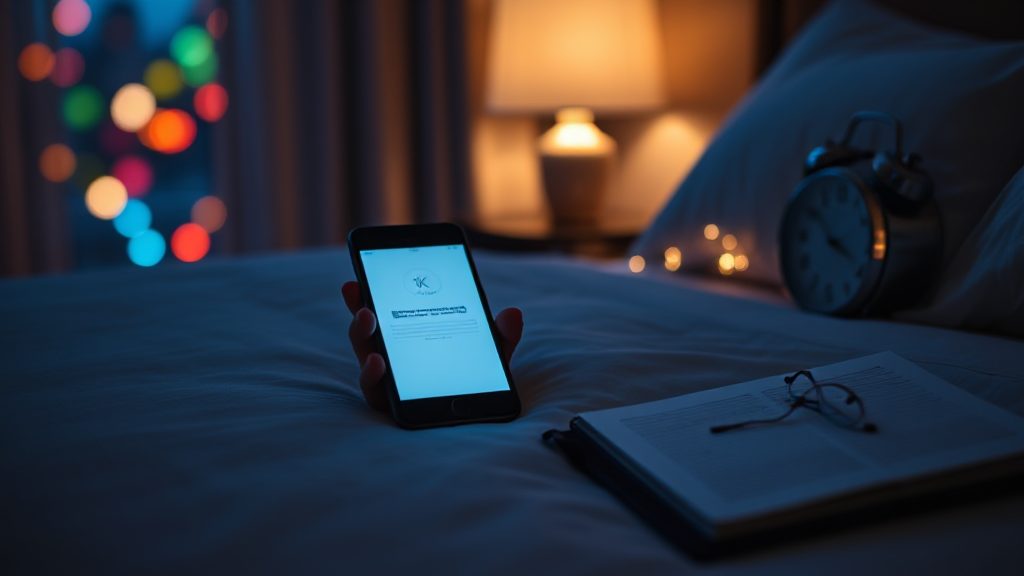
It is 1 a.m. and the phone is glowing again. You told yourself you would check one result, maybe two, and now the room is dark, your thumb is still moving, and tomorrow’s alarm feels like someone else’s problem. The interesting question is not why you stayed up. It is how the day got to that point, and what a betting routine looks like when it is fitted around real life instead of stretched across it. That is the practical side of tk999 worth thinking about: not the games themselves, but the hours around them.
Most people who use a betting app in Bangladesh are not full-time gamblers. They are students, shopkeepers, office workers, and night-shift staff who open an app in the gaps of a normal day. The gaps are where the trouble hides, because a gap has no edges until you give it one. A betting routine works only when it has a start time and an end time. Everything below is about building those edges.
The Morning Check and Its Quiet Cost
The first contact with any app usually happens before the day has properly started. You wake, you reach for the phone, and a scoreboard or a balance appears before your feet touch the floor. It feels harmless because it takes ninety seconds. The cost is not the ninety seconds. It is the tone it sets, because a morning that opens with a pending outcome tends to stay keyed to that outcome for hours.
A simple fix is to move the first check to after something physical: after tea, after a shower, after the walk to the bus. The delay does two things. It proves the app is not urgent, and it gives you a clear marker for when the betting day begins. If you cannot name the marker, you do not yet have a routine; you have a reflex.
Keep the first look short and boring
Morning is a bad time for decisions. Balances are still settling, yesterday’s results are still fresh, and the temptation to “recover” something is at its highest. Treat the morning check as reading, not acting. Note what happened, close the app, and leave any real choice for later in the day when you are fed, dressed, and thinking clearly.
This is also the moment to notice the difference between a platform you understand and one you are guessing at. Registration details, deposit limits, and app settings are worth reviewing once, calmly, rather than in a panic at midnight. The tk999 platform is built around a mobile app and a sign-up flow, so the settings you choose in daylight are the ones that will protect you after dark.
Work Hours and the Pull of the Pocket
During working hours, the danger is not a long session. It is the micro-check: the two-minute glance between tasks, the score refresh while a file uploads, the balance peek in a queue. Each one is small, but together they fragment attention, and fragmented attention is exactly what makes a day feel busy and unfinished at the same time.
There is a practical rule that costs nothing: the app does not open while you are being paid to do something else. If your work involves a phone, put the betting app in a folder on a second screen, or log out after each session so that opening it takes a deliberate step. Friction is not punishment. It is a speed bump that gives your better judgment a second to arrive.
Build a single window instead of many glances
Most people find that one planned window in the early evening works better than scattered checks all day. Pick a time, keep it short, and finish what you started before you open anything. A single window is easier to keep than a vague promise to “not check too much”, because a window has a shape and a promise does not.
It also makes the activity easier to review. At the end of a week you can see whether the window held, whether it grew, and whether it crept into lunch breaks. That review is more useful than any single result, because it tells you what your actual habits are rather than what you intended them to be.
The Evening Window and the Company You Keep
Evening is when most betting activity naturally happens, and there is nothing wrong with that. The day’s work is done, the house is settling, and there is time to sit with a screen. The risk is that the evening window has no closing time, so it quietly becomes the whole night. A window without an end is just an open door.
Give the window a finish line that has nothing to do with the app: dinner, a call, a walk, a programme you actually want to watch. When the finish line arrives, the session ends, win or lose. Ending on a loss is uncomfortable, and that discomfort is precisely why the rule has to be decided in advance rather than negotiated in the moment.
Decide the stake before the session, not during it
The most common mistake is deciding how much to spend while the session is already running. Decisions made mid-session are shaped by what just happened, not by what you can afford. Set the amount before you open the app, treat it as spent, and let the session end when it ends. This single habit does more for a betting routine than any amount of willpower applied afterwards.
It also helps to keep the evening window social or at least not secret. People who hide the activity tend to stretch it, because no one is waiting and no one notices. A shared household rhythm, even a loose one, is a surprisingly effective boundary.
Late Night, When the App Stops Being a Choice
The 1 a.m. glow is rarely a decision. It is a drift. By that hour, fatigue has removed the part of you that weighs consequences, and the app is close at hand. Late-night sessions are longer, less accurate, and harder to remember the next morning. They are also the ones people most regret.
The strongest boundary is a phone boundary, not a betting boundary. Charge the phone outside the bedroom, or set a shutdown that turns the screen grey at a fixed hour. If the app cannot be reached without getting out of bed, the late-night session mostly disappears on its own. Protecting sleep protects everything else, including your judgment about money.
Watch for the recovery mindset
The clearest warning sign is the thought that one more session will fix the day. That thought belongs to the same family as staying up to finish work you are too tired to do well. The honest response is to close the app, write down the number, and look at it in the morning. Almost every late-night decision looks different after sleep.
If late nights have become the norm rather than the exception, that is worth treating as information rather than shame. It usually means the daytime window is too small, the phone is too close, or the activity is carrying more weight than it should. Adjust the schedule first, and the behaviour tends to follow.
Keeping a Boundary That Actually Holds
A boundary is not a mood. It is a small structure you can point to: a start time, an end time, a fixed amount, and a place where the phone does not go. Write those four things down once, and check them at the end of the week. If they held, keep them. If they did not, make them smaller rather than stricter, because a boundary you can keep beats a rule you admire and break.
The point of all this is not to make betting feel like a chore. It is to keep it in its proper place, alongside work, rest, and the people you live with. A day has a shape, and any activity that ignores that shape will eventually reshape the day around itself. Used with a schedule, an app like tk999 can sit inside an ordinary evening rather than swallowing the hours on either side of it.
So the next time the phone glows at 1 a.m., the useful question is not whether you are weak. It is what time the window opened, what time it was supposed to close, and which of the two you actually chose. Answer that honestly and the rest of the day gets easier to arrange.